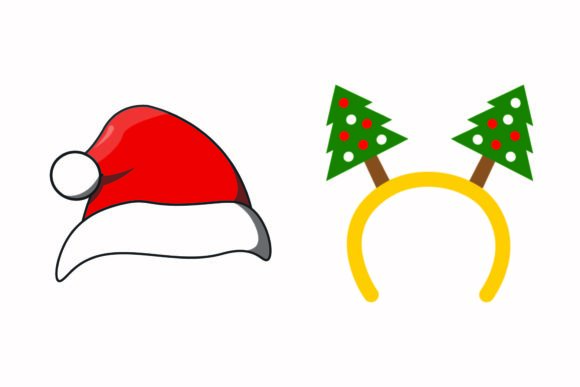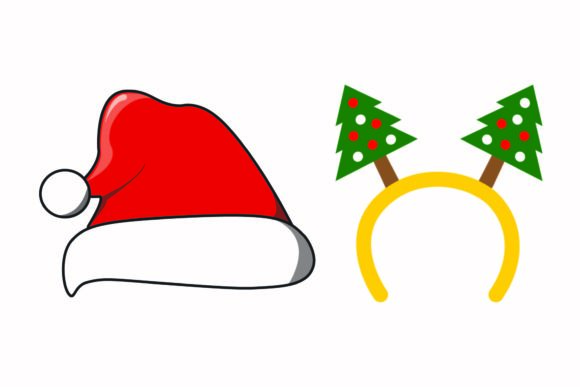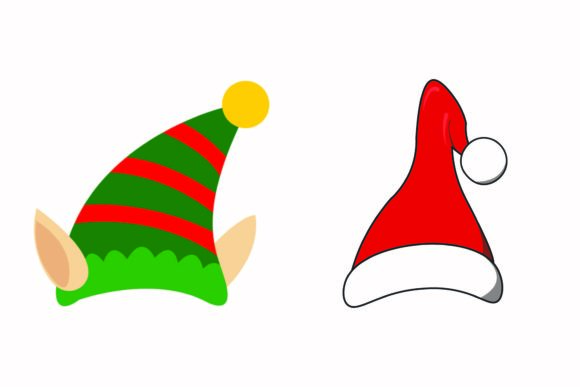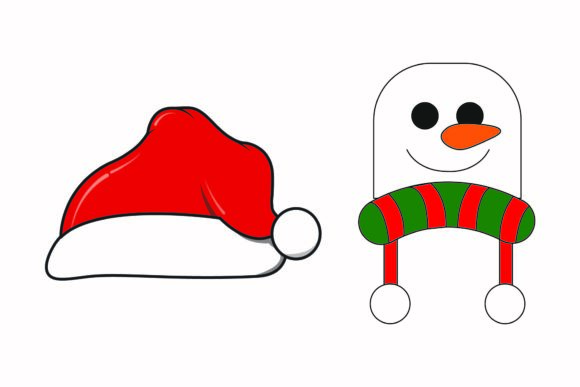
Christmas Hat Snowman Cap Illustrations Review
As a designer who has spent years navigating the intersection of digital art and physical stitching, I approach every new asset with a critical eye. When I first opened the Christmas Hat Snowman Cap Illustrations package, I wasn't just looking for cute holiday graphics; I was evaluating whether this design could survive the transition from a screen to a finished product. The immediate visual impact is cheerful and nostalgic, capturing that classic winter wonderland vibe without feeling cluttered. For anyone running a craft business or preparing for the holiday rush, understanding how these illustrations translate into real-world embroidery is crucial before you commit thread and time.
The First Impression: Mood and Design Structure
The layout of the Christmas Hat Snowman Cap Illustrations feels balanced and purposeful. Unlike many generic clip arts that suffer from overly complex lines or inconsistent line weights, this set presents clean shapes that are essential for successful digitization. The snowman's expression is friendly, and the proportions of the hat and scarf suggest a design that will scale well. When reviewing an embroidery file, the clarity of the vector paths is paramount. If the source illustration is muddy, the resulting machine embroidery design will be filled with unwanted jumps and messy fill stitch areas. Here, the distinct separation between the snowman's body, the hat brim, and the decorative elements indicates a strong foundation for creating a professional-looking finished product.
For small shop owners and Etsy sellers, the mood is everything. This design evokes warmth and tradition, making it perfect for items that need to feel handmade yet polished. Whether you are planning a holiday embroidery project for a boutique or a batch of personalized gifts, the visual personality of these caps suggests they will stand out on a shelf. However, the true test lies in how these illustrations perform when converted into stitches.
Real-World Application: From File to Fabric
Let's imagine a practical scenario: you are preparing a collection of custom embroidered tote bags and sweatshirts for the upcoming season. You load the Christmas Hat Snowman Cap Illustrations into your digitizing software. Because the original canvas size is 1920px x 1280px, you have ample resolution to work with. This high definition allows you to see exactly where you might need to simplify details for smaller hoop sizes. In my experience, a design that looks crisp at full scale often loses its charm if scaled down too aggressively without adjusting the stitch density.
When applied to a heavy cotton tote bag, the bold outlines of the snowman cap would likely hold up beautifully. The flat areas of the hat and scarf are ideal candidates for a solid fill stitch, while the contours of the face and buttons could utilize a delicate satin stitch to add dimension. For custom apparel like a dark-colored sweatshirt, the contrast provided by white and red thread colors would make the design pop. However, if you were attempting this on a thin jersey fabric, you would need to be cautious. The weight of the embroidered patch effect could cause puckering if the stabilizer isn't chosen correctly. Always remember that the success of a handmade product depends as much on the fabric choice as it does on the design itself.
Ideally Suited Projects
- Baby Embroidery: The soft, rounded features of the snowman make this perfect for onesies or nursery blankets, provided the stitch count is low enough to keep the fabric flexible.
- Kitchen Textiles: Aprons and tea towels benefit from the whimsical nature of these illustrations. A tote bag design featuring this character would also appeal to shoppers looking for eco-friendly holiday gifts.
- Commercial Embroidery: For a small business branding their merchandise, this design offers a cohesive look that can be replicated across various items without losing quality.
Critical Considerations for Embroidery Designers
While the Christmas Hat Snowman Cap Illustrations offer great potential, there are specific scenarios where caution is required. One common pitfall in holiday designs is over-detailing. Tiny elements, such as small patterns on the scarf or intricate textures on the hat, can get lost or turn into blobs of thread if the hoop size is too small. Before committing to a production run, I always advise testing the design on scrap fabric first. This step reveals issues with thread tension, thread colors blending unexpectedly, or areas where the running stitch might pull the fabric.
Fabric texture plays a significant role in how the final image reads. On a textured fleece or a napped material, fine details may not define clearly. In such cases, simplifying the design or increasing the stitch width can help maintain clarity. Additionally, curved surfaces like caps present a unique challenge. The bill of a baseball cap is a tight space, and the curve can distort the geometry of the snowman's face. It is vital to ensure the design is digitized specifically for curved surfaces or adjusted accordingly to prevent distortion.
Maximizing Value and Professionalism
For creative entrepreneurs and digital product sellers, the versatility of the included formats—AI, EPS, SVG, and DXF—is a major advantage. These files allow you to manipulate the design assets for different needs. Perhaps you want to create a printable mockup for your online store to show customers how the design looks on a pillow cover before they buy. Or maybe you need to resize the graphic for a larger banner. Having access to vector files ensures that your brand consistency remains intact regardless of the medium.
However, professionalism extends beyond the digital file. It involves understanding the end-user's expectations. A customer buying a personalized gift expects a high-quality finish. If the stitch density is too high, the back of the garment might feel stiff and uncomfortable. Conversely, if it is too low, the design might look sparse and cheap. Balancing these factors is what separates a hobbyist project from a commercial-grade offering. By taking the time to review the design in black and white mockups, you can assess the contrast and legibility before spending money on expensive threads.
Practical Checklist for Your Next Project
- Test the design on a piece of scrap fabric similar to your final product to check for puckering.
- Verify that the stabilizer used is appropriate for the fabric type, especially for stretchy materials.
- Inspect small details closely; if they are too tiny for your machine's needle, consider removing or enlarging them.
- Compare the design against both light and dark fabric backgrounds to ensure visibility.
- Confirm licensing terms before selling finished items or using the digital embroidery file for commercial purposes.
Final Thoughts on Holiday Readiness
In conclusion, the Christmas Hat Snowman Cap Illustrations represent a solid addition to any designer's library, provided they are used with intention. They offer a charming aesthetic that fits perfectly within the holiday market, suitable for everything from baby clothes to small shop products. The key to success lies in the execution. By respecting the limitations of your equipment and the properties of your materials, you can transform these digital graphics into tangible, cherished items.
Whether you are an experienced embroiderer or a new Etsy seller, taking the time to evaluate a design before stitching it is the mark of a professional. This particular set of illustrations has the potential to elevate your holiday collection, bringing joy to customers and adding value to your brand. Just remember to plan your embroidery project carefully, choose your fabrics wisely, and let the festive spirit shine through your craftsmanship.