Cartoon Chibi Character Illustrations & Graphics
As a digital publisher who has spent years refining the visual language of content websites, I know that the difference between a visitor bouncing and a reader staying often comes down to a single image. When I first encountered the Cartoon Chibi Character Illustrations, my immediate reaction was one of relief mixed with excitement. In an era where editorial design is often cluttered with stock photos that feel sterile or overused, this collection offers a distinct, playful, and highly engaging alternative. The aesthetic is undeniably modern, leaning heavily into a lifestyle-focused and artistic mood that feels both feminine and universally approachable. It immediately signals to the reader that the content ahead is friendly, accessible, and human-centric.
First Impressions and Editorial Mood
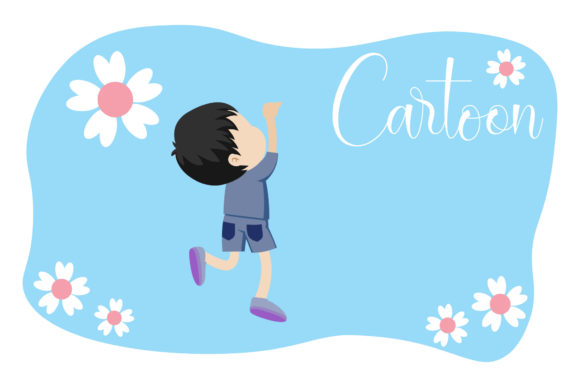
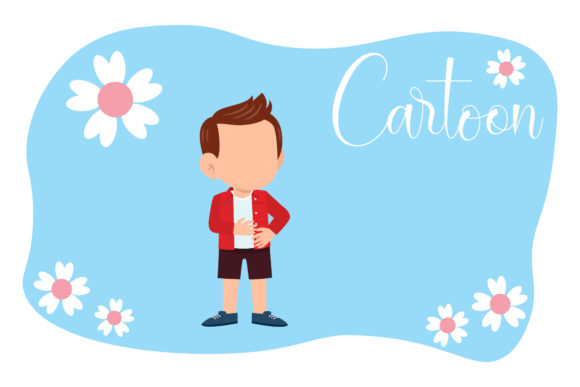
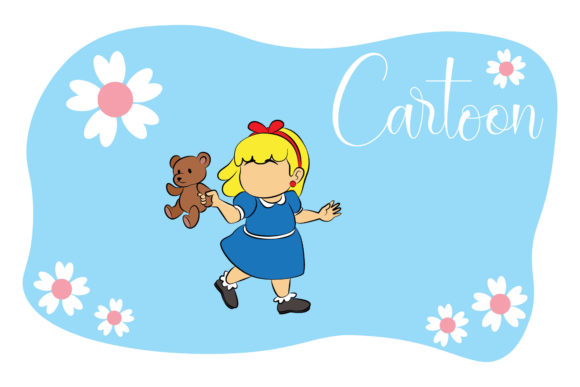
The visual hierarchy established by these graphics is subtle yet powerful. Unlike realistic photography which can sometimes date quickly or clash with specific color palettes, these chibi-style characters offer a clean, decorative element that integrates seamlessly into various layouts. The style feels educational yet fun, making it an ideal fit for niches ranging from parenting blogs and online education platforms to creative entrepreneurship and small business branding. There is a warmth to the design that builds instant reader trust. When a user sees a character illustration in a website header or as a featured image, it suggests a curated experience rather than a generic template. This asset transforms the editorial design of a page from a simple text dump into a polished narrative space.
Real-World Publishing Workflows
In my daily workflow, I am constantly looking for versatile assets that can serve multiple purposes without requiring hours of custom illustration work. The Cartoon Chibi Character Illustrations have proven to be exactly that kind of workhorse. I recently utilized them to create a series of blog graphics for a new affiliate marketing campaign focused on home organization. Instead of using generic photos of messy rooms, I paired the chibi characters with bold typography to create Pinterest pins that stopped the scroll. The result was a significant increase in click-through potential because the images felt unique and branded.
Beyond social media, these graphics are invaluable for creating downloadable resources. I used the vector files to design a digital guide and a set of printable worksheets for a lead magnet. Because the characters are scalable and editable, they maintained their crisp quality whether printed on A4 paper or viewed on a tablet screen. For newsletter creators, these illustrations make perfect headers that break up dense text blocks, ensuring the email doesn't look like a wall of words. They also serve as excellent category thumbnails, helping users visually distinguish between different sections of a website at a glance.
Technical Versatility and File Formats
One of the most critical aspects of any graphic design asset is its technical flexibility. This collection is available in AI, EPS, SVG, DXF, JPG, and PNG formats, which is a game-changer for professional publishers. The inclusion of vector formats like AI and SVG means I can resize the artwork for a massive billboard banner or a tiny favicon without losing resolution. The canvas size of 1920 px X 1280 px provides a robust starting point for high-resolution web displays, ensuring that the images look sharp on Retina screens and modern monitors.
The guarantee that the design is easy to use and can be edited as needed cannot be overstated. As a designer, I appreciate the ability to tweak colors to match a client's brand identity or adjust the pose slightly to fit a specific headline layout. Whether you are building a Canva template for your audience or designing a custom eBook cover, having these editable layers allows for true customization. This level of control ensures that the final output feels like a bespoke commission rather than a cheap digital download.
Strategic Placement and Performance
To maximize the impact of these illustrations, strategic placement is key. They shine brightest when used as hero images for landing pages, where they can capture attention immediately. In article headers, they provide a visual anchor that guides the eye toward the title. For affiliate marketers, using these characters in product comparison tables or review sections adds a layer of personality that makes the recommendation feel more personal and less robotic. They also work exceptionally well as editorial accents within long-form content, breaking up paragraphs and keeping the reader engaged.
However, there are scenarios where caution is required. While these illustrations are charming, they may not suit serious corporate content or legal advisory sites where a starkly minimal visual system is preferred. Using them in low-contrast backgrounds can cause details to get lost, so always ensure there is enough separation between the character and the background color. Additionally, while they are great for desktop views, always test how they appear as small mobile thumbnails. Sometimes, the intricate details of chibi art can become muddy on very small screens, so simplifying the composition or cropping strategically is essential for mobile optimization.
Publisher Notes and Best Practices
Before integrating any new asset into a live site, I follow a rigorous testing protocol. First, I preview the Cartoon Chibi Character Illustrations inside a real blog layout to see how they interact with my existing typography. I try pairing them with serif fonts for a classic editorial look, sans-serif for a modern tech vibe, and even script or handwritten fonts to enhance the playful nature of the art. Checking contrast and readability is non-negotiable; if the character distracts from the headline, the design needs adjustment.
I also recommend reviewing the file size for web performance. While the source files are high quality, they must be compressed properly before uploading to ensure fast load times. Finally, always confirm the commercial licensing terms. Since these assets are intended for monetized websites, affiliate pages, and paid content products, understanding the scope of the license protects your business from future legal issues. By following these steps, you ensure that your visual communication remains professional, trustworthy, and effective.
Final Thoughts on Visual Identity
Ultimately, the goal of any digital publisher is to build a strong visual identity that resonates with the audience. The Cartoon Chibi Character Illustrations offer a unique opportunity to inject personality and creativity into your content strategy. They are more than just clipart; they are tools for storytelling and brand building. Whether you are a solo blogger, a creative entrepreneur, or a seasoned marketer, incorporating these graphics can elevate your editorial quality and make your digital presence stand out in a crowded marketplace. With their versatility, editability, and charming aesthetic, they are a valuable addition to any creative design toolkit.