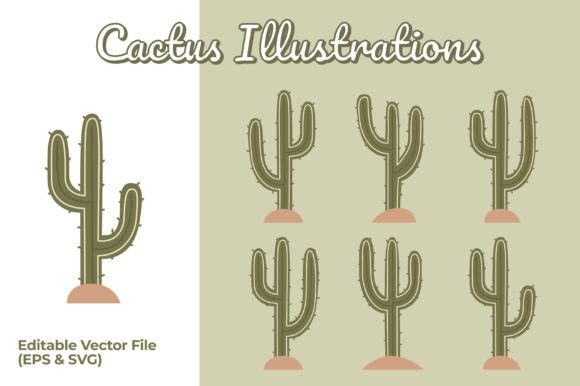
Cactus Flat Illustrations: A Designer's Review
As someone who has spent years translating digital concepts into tangible thread, I approach every new asset with a critical eye. When I first opened the file for Cactus Flat Illustrations, my immediate reaction was one of relief. In the world of embroidery, where complex shading and intricate gradients can sometimes lead to stitching nightmares, the flat style offers a breath of fresh air. This vector set is not just a collection of graphics; it is a toolkit for creating clean, modern, and highly marketable handmade products.
The First Impression: Clean Lines and Modern Appeal
The visual personality of these designs is distinct. The flat illustration style strips away unnecessary detail, focusing on bold shapes and premium color setups. For an embroidery designer, this is music to our ears. Unlike photorealistic images that require thousands of stitches to mimic depth, these cactus plants rely on strong silhouettes and solid blocks of color. This translates beautifully into machine embroidery design work. The mood they create is cheerful, resilient, and effortlessly stylish, making them perfect for contemporary home decor or trendy custom apparel.
When evaluating a potential asset, I always ask myself: "Does this look like it belongs in a boutique?" With Cactus Flat Illustrations, the answer is a resounding yes. The layout is balanced, and the shapes are robust enough to hold their integrity even when converted from a digital vector to a physical stitch pattern. It feels like a professional-grade resource that elevates the perceived value of any finished product.
A Real-World Test: The Custom Tote Bag Project
To truly understand how these graphics perform, let's walk through a real-life scenario. Imagine you are preparing a run of custom embroidered tote bags for a local craft fair. You want something that appeals to plant lovers but remains versatile enough for everyday use. You select a large saguaro cactus from the set and decide to place it prominently on the front of a natural canvas bag.
Because the design uses a flat style, the conversion to an embroidery file is straightforward. You don't need to worry about delicate gradients turning into muddy patches of thread. Instead, you can utilize a dense fill stitch for the green body and perhaps a contrasting satin stitch for the flower details. The result is crisp and clear. Customers picking up these bags will see sharp edges and vibrant thread colors that pop against the textured fabric. This clarity builds trust; buyers can immediately recognize the quality of the workmanship, which often leads to higher engagement and repeat sales for small shop owners.
This same logic applies to sweatshirt embroidery or baby items. On a soft cotton sweatshirt, the bold lines of the cactus stand out without getting lost in the fabric pile. For a baby onesie, the rounded, friendly shapes of the smaller cacti in the set offer a gentle aesthetic that parents love. The versatility here is key. Whether you are making a holiday gift, a personalized item for a wedding, or merchandise for your Etsy shop, these illustrations adapt seamlessly to the project at hand.
Navigating Challenges: Where Caution Is Needed
While Cactus Flat Illustrations is incredibly user-friendly, it is not a magic bullet for every situation. As experienced designers know, context is everything. If you attempt to use these designs on very thin or stretchy fabrics, such as a lightweight jersey tee, the density required to maintain the flat color blocks might cause puckering. In these cases, you must adjust your stabilizer strategy significantly. Using a heavy-duty cutaway stabilizer becomes non-negotiable to support the weight of the fill stitch.
Furthermore, while the shapes are simple, do not assume they can be shrunk indefinitely. Tiny lettering or minute decorative accents within the larger set might lose definition if you try to fit them into a small hoop size. Always inspect the smallest details before committing to a tiny patch or a cap design. Curved surfaces, like the brim of a baseball cap, can also distort the straight lines of a flat illustration if the digitizing isn't precise. Testing the design on scrap fabric first is the golden rule. Check how the thread colors interact with the fabric texture under different lighting conditions to ensure the final look matches your vision.
Maximizing Value for Your Craft Business
For creative entrepreneurs and digital product sellers, the ability to customize is paramount. The description notes that this is a full editable vector file with 100% customizable high-quality RGB color setups. This means you are not stuck with a single palette. You can tweak the greens to match a specific brand identity or change the flower colors to align with a seasonal theme. This flexibility allows you to create cohesive collections, whether you are designing printable mockups for your website or actual commercial embroidery projects.
When selling finished goods, the presentation matters. A well-executed embroidered patch featuring one of these cacti can transform a plain denim jacket into a statement piece. The flat style ensures that the design remains legible and attractive even from a distance. This visual appeal directly impacts buyer engagement. Shoppers are drawn to items that look professional and thoughtfully designed. By using assets like these, you signal to your customers that you care about quality and aesthetics.
Practical Notes for the Embroidery Designer
Before you start stitching, there are a few practical steps to ensure success. First, confirm the licensing terms. Since you plan to sell finished items or perhaps even digital files derived from this work, understanding what you can and cannot do is crucial. Second, test your stitch density. Even with simple shapes, too much density can make the fabric stiff, while too little can leave gaps. Adjust your settings based on the specific fabric you are using.
Also, consider the contrast. While the RGB setup is premium, remember that thread colors behave differently than screen colors. Always compare light and dark fabric backgrounds during your testing phase. A bright green cactus might look stunning on white linen but could disappear on a black hoodie without a backing layer or a different color choice. Finally, keep your hoop size in mind. Ensure the design fits comfortably within your machine's workspace to avoid distortion at the edges.
Final Thoughts on Cactus Flat Illustrations
In conclusion, Cactus Flat Illustrations represents a smart investment for anyone serious about their craft business. It bridges the gap between digital creativity and physical execution with ease. Whether you are a hobbyist looking to make unique holiday gifts or a seasoned pro scaling your Etsy listings, these graphics provide the foundation for high-quality, professional-looking results. They respect the limitations of the medium while maximizing its strengths, allowing you to focus on what you do best: creating beautiful, handmade products that people love.